 Save
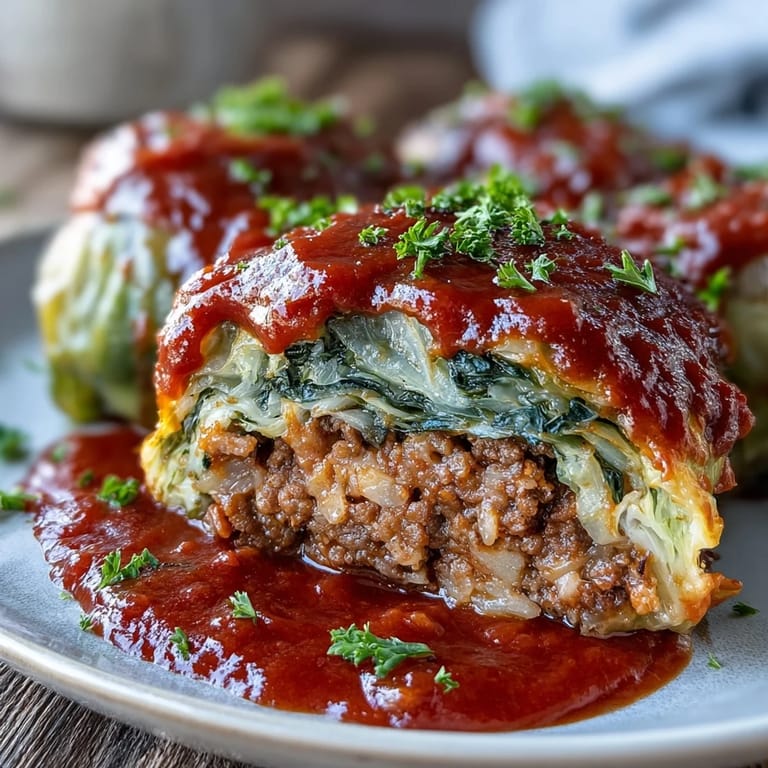
Save My grandmother used to make these cabbage rolls every winter, and the kitchen would fill with this warm, tomatoey smell that made everything feel safe. I watched her hands move through the motions so many times before I finally asked to help, and she just smiled and handed me a leaf. There's something about rolling them that feels meditative, almost like wrapping small gifts of comfort. Now when I make them, I understand why she'd spend an afternoon on this dish without a single complaint.
The first time I made these for my partner's family, I was nervous about the rolling technique and overcooked the cabbage trying to be safe. But you know what? Nobody cared because that sauce was so good it carried everything. They had seconds, asked for the recipe, and suddenly this became the dish I'm known for bringing to potlucks. Funny how our mistakes sometimes lead to the things people remember us for.
Ingredients
- 1 large head of green cabbage: Look for one that feels dense and heavy for its size, as loose heads shed leaves and waste time.
- 500 g ground beef (or pork, or a mix): The mix of meats adds complexity, but pure beef works beautifully too if that's what you have.
- 120 g uncooked long-grain white rice: This gets a head start in boiling water so it finishes cooking inside the rolls instead of staying crunchy.
- 1 medium onion, finely chopped: The finer you chop it, the better it distributes through the filling and creates that savory backbone.
- 2 cloves garlic, minced: Don't skip this; garlic is what transforms simple meat and rice into something memorable.
- 1 large egg: This binds everything and helps the rolls hold their shape as they bake.
- 2 tbsp fresh parsley, chopped: Fresh herbs brighten the filling and catch the light when you plate them.
- 1 tsp salt and 1/2 tsp black pepper: Season generously here since the filling needs to taste good on its own.
- 700 ml tomato passata or crushed tomatoes: Passata creates a smoother sauce, but crushed tomatoes work if that's easier to find.
- 2 tbsp tomato paste: This concentrates the tomato flavor and deepens the sauce without adding extra liquid.
- 1 tbsp sugar: A small amount balances the acidity of the tomatoes and makes the sauce taste rounder.
- 1 tsp dried thyme: Thyme is the quiet backbone of Eastern European cooking; don't reach for Italian herbs instead.
- 1 tbsp vegetable oil: Use whatever neutral oil you have on hand for sautéing.
Tired of Takeout? 🥡
Get 10 meals you can make faster than delivery arrives. Seriously.
One email. No spam. Unsubscribe anytime.
Instructions
- Heat the oven and prepare the cabbage:
- Preheat your oven to 180°C (350°F). Bring a large pot of salted water to a boil, then carefully remove the core from the cabbage with a small knife. Lower the whole head into the boiling water and let it simmer for 8 to 10 minutes, gently peeling away the softened outer leaves as they loosen. You should end up with 12 to 14 usable large leaves.
- Build the tomato sauce:
- Heat oil in a pan over medium heat and sauté the onion and garlic for about 3 minutes until they smell sweet and soft. Stir in the tomato paste for a minute to deepen it, then add the tomato passata, sugar, thyme, salt, and pepper. Let this simmer gently for 10 minutes so all the flavors get to know each other.
- Par-cook the rice:
- In a small pot, cook the rice in boiling salted water for just 5 minutes, leaving it slightly firm in the center. Drain it well and let it cool for a minute so you can handle it comfortably.
- Mix the filling:
- Combine the ground meat, par-cooked rice, fresh onion, garlic, egg, parsley, salt, and pepper in a large bowl. Use your hands to mix it thoroughly until everything is evenly distributed and the mixture holds together when you squeeze a bit.
- Roll with care:
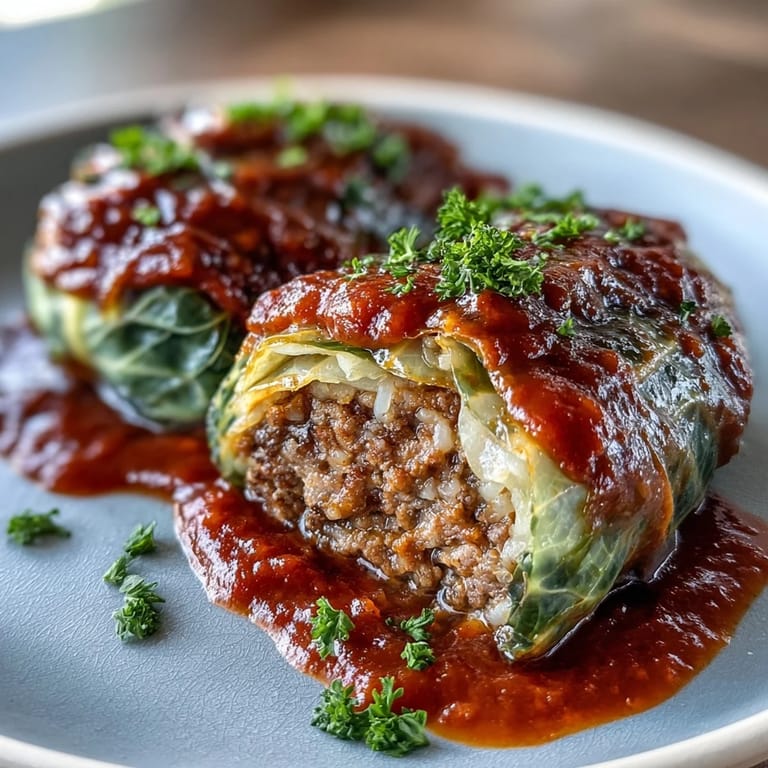
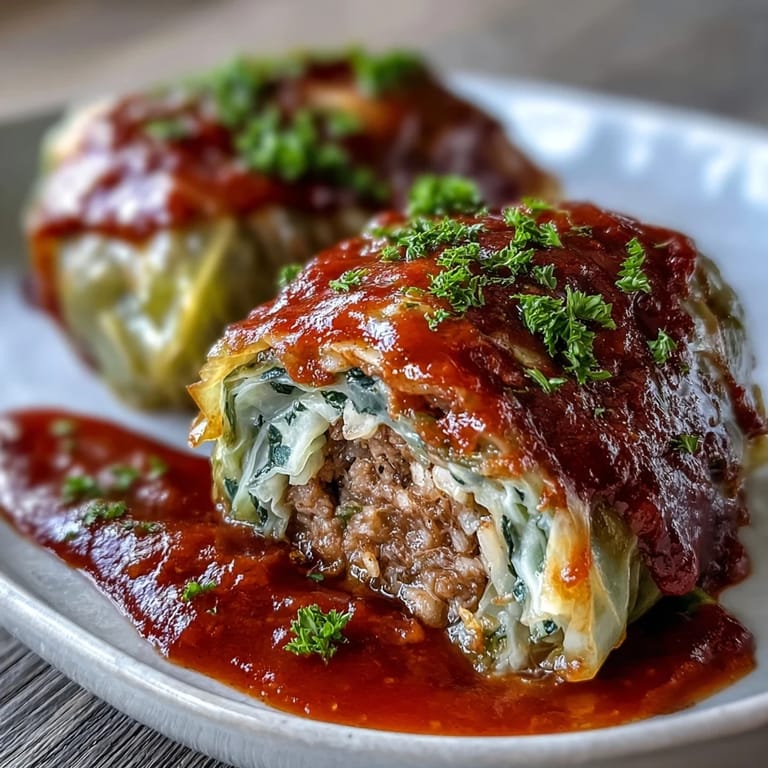
- Place a cabbage leaf on your work surface and add 2 to 3 tablespoons of filling near the stem end. Fold the sides over the filling, then roll it away from you, keeping it snug but not so tight it bursts. The seam should end up on the underside.
- Assemble in the baking dish:
- Spread a thin layer of sauce on the bottom of your ovenproof dish, then arrange the rolls seam side down in a single layer. Pour the remaining sauce evenly over the top, cover tightly with foil or a lid.
- Bake and finish:
- Bake for 1 hour, then remove the foil in the last 15 minutes if you want a thicker, more concentrated sauce on top. Let them cool for just a few minutes before serving so the rolls hold their shape when you plate them.
 Save
Save My neighbor once told me that her mother made these rolls exactly this way, and she'd been searching for the right recipe for years. We stood in my kitchen while they baked, watching the sauce bubble slightly at the edges, and I felt this quiet joy knowing I'd somehow helped bridge a gap between her and a memory. Food does that sometimes, connects us to people and moments we thought we'd lost.
Serving and Storage
Serve these warm with a dollop of sour cream and thick slices of crusty bread to soak up every bit of sauce. Leftovers actually taste better the next day because the flavors deepen as they sit together overnight in the fridge. They'll keep for up to 4 days covered, or you can freeze the unbaked rolls and pop them in the oven whenever you need comfort food on a weeknight.
The Magic of Variations
This recipe is forgiving enough to adapt to what you have on hand or what your body needs. I've made them with a mix of pork and beef, and I've made them with just pork when that was all the butcher had that day. The vegetarian versions using lentils or mushrooms are genuinely delicious and not a consolation prize; the earthiness of mushrooms in particular creates something special.
Why This Dish Matters
Cabbage rolls belong to a tradition of food that asks you to slow down and pay attention. There's no rushing the rolling, no shortcuts that actually work, and somehow that limitation becomes the point. When you serve these at a table, you're saying something without words—that this meal took time because the people eating it matter.
- Make extra filling: You might have a bit left over, and it freezes beautifully for quick stuffed peppers later.
- Taste the filling raw before rolling: A tiny pinch of raw meat won't hurt you, and it lets you adjust seasoning without waiting until they're baked.
- Don't stress about perfect rolls: Rustic is more honest anyway, and they all taste the same once the sauce does its work.
 Save
Save These cabbage rolls are the kind of dish that gives you permission to cook slowly and deliberately, which is its own form of self-care. Make them once and you'll understand why my grandmother spent those winter afternoons filling her kitchen with their warmth.
Recipe Guide
- → Can I prepare cabbage rolls ahead of time?
Yes, you can assemble the rolls up to 24 hours in advance and refrigerate them before baking. You can also freeze unbaked rolls for up to 3 months. Add 15-20 minutes to baking time if cooking from frozen.
- → What type of cabbage works best?
Green cabbage is traditional and works best due to its sturdy leaves that hold up well during cooking. Choose a large head with tightly packed leaves. Savoy cabbage can also work but is more delicate.
- → Why do you par-cook the rice before adding it to the filling?
Par-cooking the rice ensures it finishes cooking at the same rate as the meat during baking. Raw rice won't cook through properly, while fully cooked rice can become mushy in the finished dish.
- → How do I prevent the cabbage leaves from tearing?
Boil the cabbage gently and remove leaves as soon as they're pliable. If a leaf tears, you can overlap two smaller leaves or patch tears with scraps. The thicker stem end can be trimmed or pounded thin for easier rolling.
- → What can I serve with cabbage rolls?
Traditional accompaniments include sour cream, crusty bread, or mashed potatoes. A simple cucumber salad or pickled vegetables provide a refreshing contrast to the rich, savory rolls.
- → Can I make a vegetarian version?
Absolutely. Replace the ground meat with cooked lentils, finely chopped mushrooms, or a combination of both. Add extra herbs and seasonings to boost flavor, and consider mixing in some grated vegetables like carrots or zucchini.