 Save
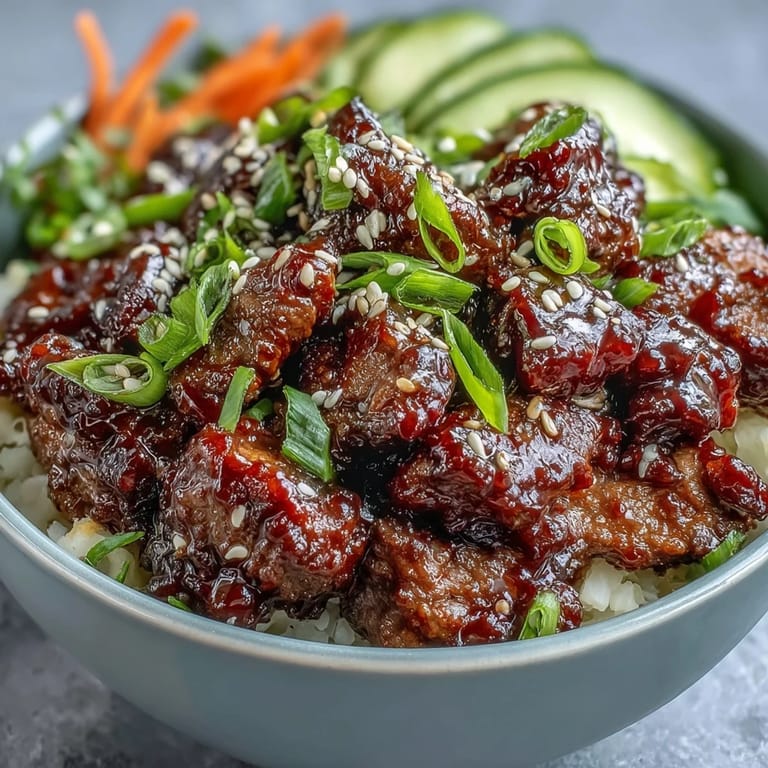
Save My neighbor brought over a jar of gochujang last spring, insisting I had to try it. I stared at the bright red paste, skeptical but curious, and decided to throw together something fast with the ground beef in my fridge. Twenty minutes later, I was scraping the pan clean, wondering why I'd waited so long to experiment with Korean flavors. That little jar became a weekly staple, and this beef bowl turned into my go-to when I need dinner that tastes like I tried much harder than I actually did.
I made this for my sister when she was between jobs and too tired to cook. She sat at my kitchen counter, quiet and stressed, then perked up after the first bite and asked for seconds. We ended up talking for hours, bowls refilled, cucumbers crunching between stories. That night reminded me how a simple, flavorful meal can shift the entire energy of a room.
Ingredients
- Lean ground beef: The star protein that soaks up all that spicy, sweet sauce without turning greasy, and it cooks so fast you'll barely break a sweat.
- Gochujang: This fermented chili paste is the soul of the dish, offering depth and heat that sriracha just can't match, so don't skip it.
- Low sodium soy sauce: Adds that essential umami backbone, and using low sodium keeps you in control of the saltiness instead of the other way around.
- Brown sugar: Balances the heat and adds a subtle caramelization that makes the sauce cling to every piece of beef.
- Sesame oil: Just a tablespoon perfumes the whole kitchen with that toasty, nutty aroma that makes everyone ask what's for dinner.
- Garlic and ginger: Freshly minced and grated, these two bring brightness and warmth that powdered versions simply can't replicate.
- Rice vinegar: A splash cuts through the richness and wakes up the other flavors without making anything taste sour.
- Cooked rice or cauliflower rice: Your base can be traditional and comforting or light and low carb, either way it catches all that delicious sauce.
- Cucumber and carrot: Cool, crunchy, and refreshing, these toppings add color and texture that make each bite feel complete.
- Green onions and sesame seeds: The final flourish that makes the bowl look restaurant worthy and adds little pops of flavor and crunch.
Tired of Takeout? 🥡
Get 10 meals you can make faster than delivery arrives. Seriously.
One email. No spam. Unsubscribe anytime.
Instructions
- Brown the beef:
- Heat the sesame oil in a large skillet over medium high heat, then add the ground beef and break it up with your spatula as it sizzles and browns. Let it cook undisturbed for a minute or two in spots so you get those tasty caramelized bits.
- Add aromatics:
- Toss in the minced garlic and grated ginger, stirring constantly for about a minute until your kitchen smells incredible and the rawness cooks off. Don't let the garlic burn or it'll turn bitter.
- Build the sauce:
- Stir in the gochujang, soy sauce, brown sugar, rice vinegar, and black pepper, mixing everything until the beef is evenly coated in that glossy red sauce. Let it simmer for 2 to 3 minutes so the flavors meld and the sauce thickens just enough to cling to the meat.
- Taste and adjust:
- Give it a taste and see if it needs more heat, sweetness, or salt, then tweak it to your liking. This is your chance to make it perfect before you serve.
- Assemble the bowls:
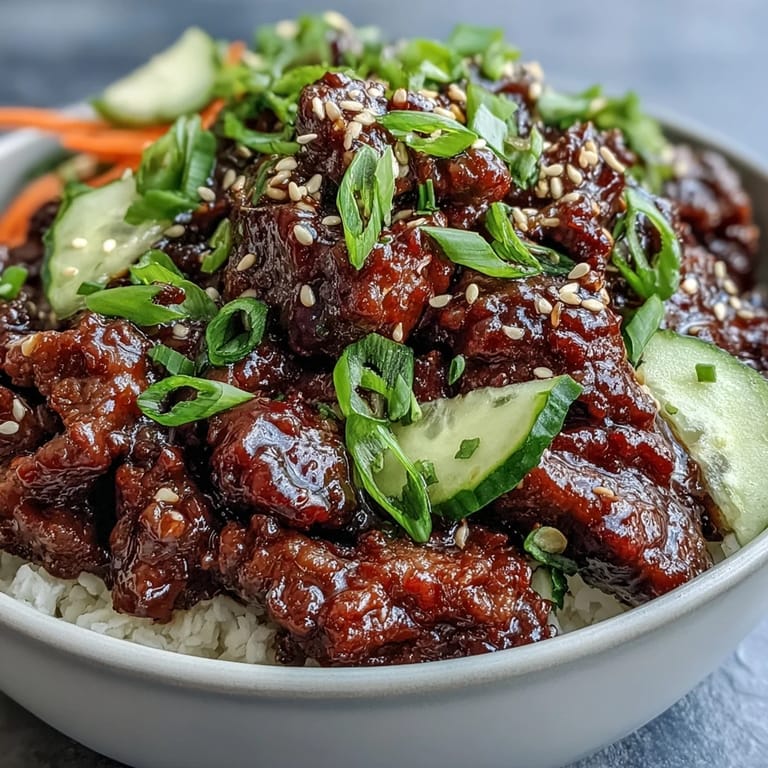
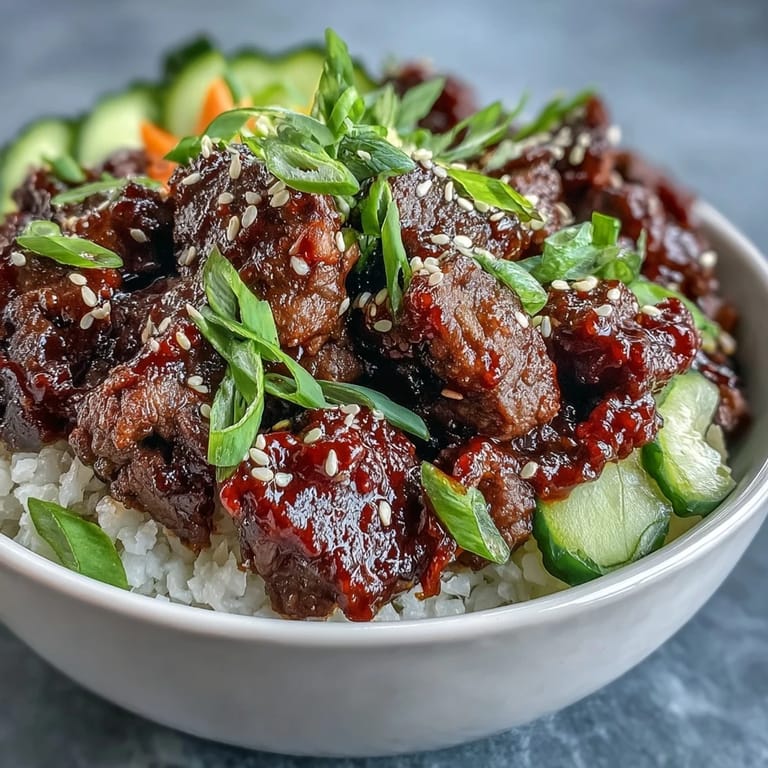
- Divide your cooked rice or cauliflower rice among four bowls and spoon the saucy beef right on top. Arrange the cucumber, carrot, green onions, sesame seeds, and any optional toppings around the edges so every bowl looks as good as it tastes.
 Save
Save One weeknight, I doubled the batch and brought containers to a potluck where everyone else showed up with chips and dip. People kept coming back, asking what was in it, scribbling down gochujang on their phones. It felt good knowing I'd introduced a few more people to flavors that make weeknight cooking feel exciting again.
Choosing Your Base
White rice is classic and comforting, soaking up the sauce like a sponge and giving you that satisfying, hearty feel. Cauliflower rice keeps things lighter and works beautifully if you're watching carbs or just want to load up on more vegetables. I've even used quinoa when I wanted extra protein, and it held up just fine under all that bold flavor.
Protein Swaps and Variations
Ground turkey or chicken will work in a pinch, though they're a bit leaner so you might want to add an extra drizzle of sesame oil to keep things moist. I've also crumbled extra firm tofu into the pan for a plant based version, and it soaked up the sauce like a dream. Even ground pork would be delicious here, adding a touch more richness and a slightly sweeter flavor.
Storage and Reheating
Store the beef and rice separately in airtight containers in the fridge for up to four days, and keep the fresh toppings in their own container so they stay crisp. When you reheat the beef, add a splash of water or broth to loosen the sauce, and warm it gently in a skillet or microwave. The flavors deepen overnight, so leftovers often taste even more complex than the first serving.
- Pack the components separately for meal prep lunches that feel restaurant fresh every time.
- Freeze the cooked beef in portions for up to three months and thaw overnight in the fridge.
- Prep your vegetables the night before so assembly is lightning fast when hunger hits.
 Save
Save This bowl proves that bold, exciting flavors don't require hours in the kitchen or a long ingredient list. It's become the dinner I reach for when I want something that feels special without the stress.
Recipe Guide
- → What does gochujang taste like?
Gochujang is a Korean fermented chili paste with a complex flavor profile—spicy, slightly sweet, savory, and deeply umami. It's less sharp than hot sauce and more rounded than sriracha, making it perfect for coating meats.
- → Can I make this gluten-free?
Absolutely. Use tamari instead of regular soy sauce, and verify your gochujang brand is certified gluten-free. Many traditional varieties contain wheat, but several brands now offer gluten-free options.
- → Is this dish very spicy?
The spice level is moderate and adjustable. Gochujang provides warmth rather than burning heat. For more intensity, add extra paste or fresh chili slices. For milder flavor, reduce the amount or add a touch more brown sugar.
- → What other proteins work well?
Ground turkey or chicken are excellent lighter alternatives that absorb the bold sauce beautifully. For a vegetarian version, use crumbled tofu or textured vegetable protein, adjusting cooking time accordingly.
- → Can I prepare components in advance?
The sauce can be mixed ahead and stored refrigerated for up to a week. The beef mixture reheats well for meal prep—just store separately from the rice and fresh toppings to maintain optimal texture and freshness.