 Save
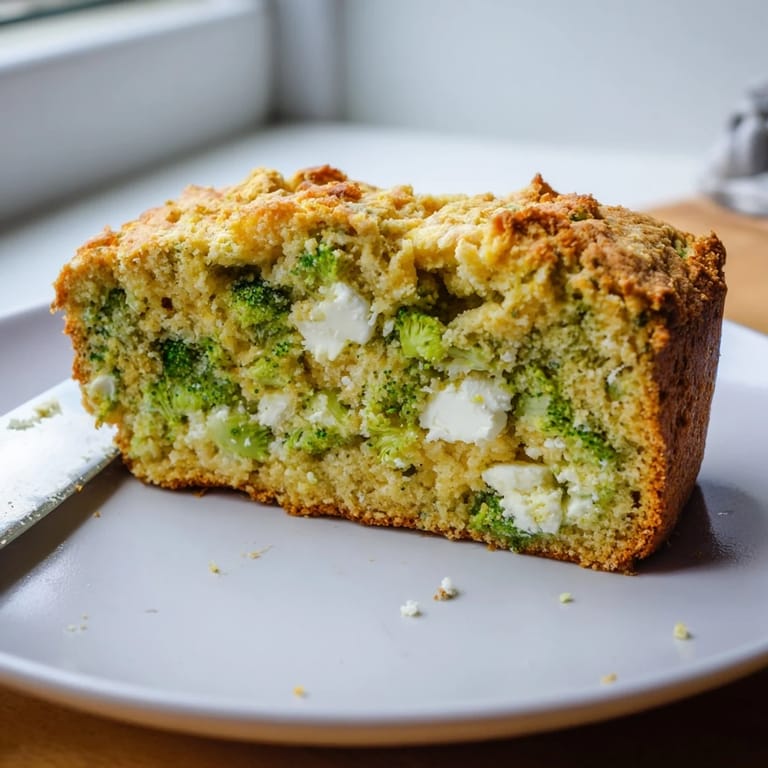
Save The smell of feta warming in the oven always transports me back to my aunt's tiny kitchen in Thessaloniki, where she'd bake whatever vegetables were in the garden into bread. I remember being skeptical about broccoli in a loaf until that first warm slice, the salty cheese and tender florets making perfect sense together.
Last winter when my sister came over feeling overwhelmed with a new baby, I whipped this up while she napped. There's something about a warm savory slice straight from the oven that feels like a hug, especially when you're too tired to think about dinner but still need something nourishing.
Ingredients
- 1 1/2 cups broccoli florets: Finely chopped so they distribute evenly throughout every bite, and quick blanching keeps them bright green instead of sad and gray
- 1 cup feta cheese: The salty tang is what makes this loaf sing, so don't be tempted to reduce it
- 1 cup buttermilk: This is the secret to tenderness and also activates the baking soda for extra rise
- 1/4 cup unsalted butter: Melted and cooled slightly so it incorporates beautifully without scrambling the eggs
- 2 cups all-purpose flour: Provides structure without making the loaf heavy or dense
- 2 tsp baking powder and 1/2 tsp baking soda: This duo ensures a nice dome and tender crumb
- 1/2 tsp salt and 1/4 tsp black pepper: Just enough to enhance without overpowering the feta
- 3 large eggs: Room temperature eggs blend more smoothly into the buttermilk mixture
Tired of Takeout? 🥡
Get 10 meals you can make faster than delivery arrives. Seriously.
One email. No spam. Unsubscribe anytime.
Instructions
- Get your oven and pan ready:
- Preheat to 350°F and line your loaf pan with parchment, letting the paper hang over the sides for easy removal later
- Prep the broccoli:
- Give those florets a quick steam for 2-3 minutes until just tender, then pat them completely dry so they don't make the loaf soggy
- Whisk the dry ingredients:
- Combine the flour, baking powder, baking soda, salt, and pepper in a large bowl, making sure there are no clumps
- Mix the wet ingredients:
- Beat those eggs well, then whisk in the buttermilk and melted butter until everything's incorporated
- Combine gently:
- Pour the wet into the dry and fold just until you no longer see dry flour, being careful not to overwork the batter
- Add the good stuff:
- Fold in the broccoli and feta last, distributing them evenly but still treating the batter delicately
- Bake it:
- Smooth the top into the pan and bake 45-50 minutes until golden and a toothpick comes out clean
- Patience pays off:
- Let it cool 10 minutes in the pan, then finish cooling on a rack so the steam doesn't get trapped and make the bottom gummy
 Save
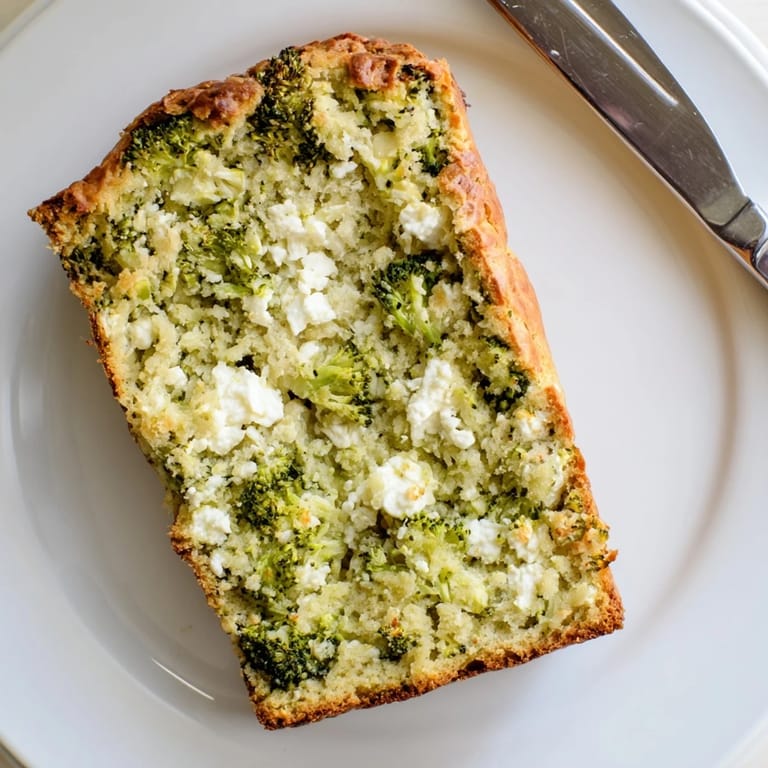
Save This loaf has become my go-to when friends need bringing meals, because it travels well, freezes beautifully, and feels so much more thoughtful than a regular casserole. Something about savory bread just says home.
Making It Ahead
I've learned through trial and error that this loaf actually tastes better the next day, once the feta has had time to settle into the crumb. Wrap it tightly and it'll keep on the counter for three days, or freeze individual slices wrapped in plastic for those mornings when you need something substantial but can't be bothered to cook.
Serving Suggestions
While it's perfect on its own, I've taken to serving thick slices alongside a simple tomato soup or as the bread component in a Mediterranean lunch spread. A little extra feta crumbled on top while it's still warm never hurt anyone, and if you're feeling fancy, a drizzle of honey creates this incredible sweet-salty situation.
Customizing Your Loaf
The recipe is incredibly forgiving once you understand the basic ratio of wet to dry. I've swapped in grated zucchini in summer and frozen corn in winter, and both worked beautifully as long as I patted them dry first.
- Fresh herbs like dill or chives can be added directly to the batter
- A handful of sun-dried tomatoes makes it feel even more Mediterranean
- Half whole wheat flour adds nuttiness without compromising the tender texture
 Save
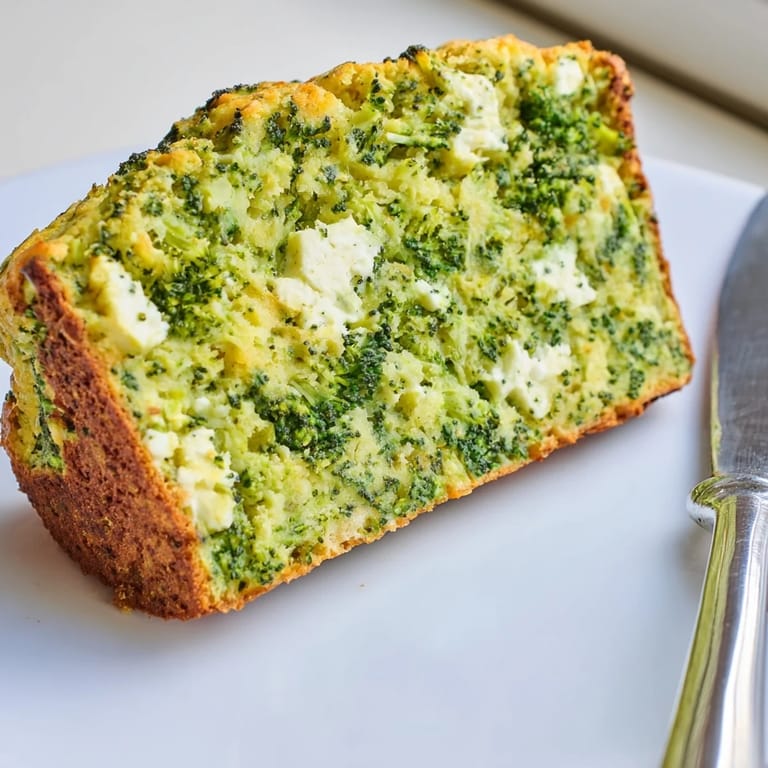
Save There's something so satisfying about a savory bread that feels substantial without being heavy, and this one delivers exactly that. Hope it finds its way into your regular rotation like it has mine.
Recipe Guide
- → Can I use frozen broccoli instead of fresh?
Yes, frozen broccoli works well in this loaf. Thaw and drain it thoroughly before chopping and adding to the batter. You may need to pat it dry with paper towels to remove excess moisture, which helps prevent the loaf from becoming too dense.
- → What can I substitute for buttermilk?
You can make a simple buttermilk substitute by adding 1 tablespoon of white vinegar or lemon juice to 1 cup of regular milk. Let it sit for 5-10 minutes until it thickens slightly. Alternatively, plain yogurt thinned with a little milk works as a substitute.
- → How should I store this loaf?
Store the cooled loaf wrapped tightly in plastic wrap or in an airtight container at room temperature for up to 3 days. For longer storage, wrap individual slices in plastic and freeze for up to 3 months. Thaw frozen slices at room temperature or warm them in the toaster.
- → Can I make this loaf gluten-free?
Yes, you can use a 1:1 gluten-free flour blend in place of all-purpose flour. Look for a blend that contains xanthan gum for best results. The texture may be slightly denser than the original version, but the flavor will remain delicious.
- → Why is my loaf dense or heavy?
Overmixing the batter can create a dense loaf. Stir just until the dry ingredients are moistened. Also ensure your baking powder and soda are fresh, and don't skip the step of patting the broccoli dry after steaming to remove excess water.
- → Can I add other vegetables or cheese?
Absolutely! This versatile loaf works well with spinach, grated zucchini, or roasted red peppers. You can also substitute or add other cheeses like goat cheese, cheddar, or Parmesan. Keep the total amount of add-ins similar to the original recipe for best baking results.